
 English
  Español
  Русский


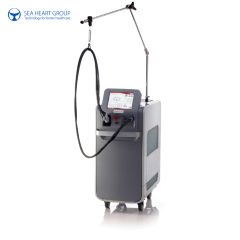


Tattoo Removal Machine for Clinics, Salons & Distributors
Factory-direct picosecond and Q-switched Nd:YAG laser systems for professional tattoo and pigment removal. Compare models, wavelengths, certifications, ROI and support options before you buy.Professional Laser Tattoo Removal Machines
SEA HEART supplies professional tattoo removal machines for sale to clinics, med spas, tattoo studios, and distributors worldwide. Choose from Q-Switched Nd:YAG and picosecond laser tattoo removal machines designed for professional pigment and tattoo treatments. Request factory-direct pricing, technical specifications, and wholesale support for your market.
A professional laser tattoo removal machine is essential equipment for aesthetic clinics, dermatology centers, and specialized tattoo studios aiming to offer reliable ink clearance. Because patients present a wide variety of ink colors, placement depths, and skin types, selecting the appropriate equipment category is a critical step for your practice.
Tattoo Removal Laser Technologies
Q-Switched Nd:YAG Lasers (Nanosecond)
A proven, highly reliable industry standard. Utilizing photothermal energy, these platforms are typically effective for clearing dark pigments such as black, dark blue, and brown, as well as performing Carbon Peeling (Black Doll) skin treatments. Q-Switched machines serve as dependable, daily workhorses for established clinics requiring consistent performance across standard aesthetic indications.
Picosecond Lasers (Ultra-Short Pulse)
An advanced option for specialized pigment clearance. By employing a photoacoustic effect, picosecond technology can help fragment ink with minimal thermal transfer. This option is often selected by clinics aiming to address specific colors such as green and blue, or seeking to expand their treatment capabilities for complex cases.
| Feature | Nd:YAG Laser | Picosecond Laser |
| Technology Type | Established, long-standing gold standard | Newer, faster-pulse technology |
| Pulse Speed | Nanosecond pulses | Picosecond pulses (faster) |
| Precision | Effective, broader energy delivery | Higher pigment-targeting precision |
| Typical Sessions Needed | Often more sessions | Often fewer sessions |
| Best For | Wide range of ink colors, proven track record | Stubborn or resistant ink, faster clearance |
Learn More: Pico Laser vs Q-Switched: Which is Better for Your Clinic?
Tattoo Removal Machine Types and Configurations
| Model | Laser Type | Pulse Duration | Wavelengths | Best For | Form Factor | Buyer Fit |
| PicoPeak 350ps | Picosecond | 350ps | 1064/532 | stubborn pigment, premium clinic | vertical | high-volume clinic |
| C5 Portable Nd:YAG | Q-switched Nd:YAG | nanosecond | 1064/532 | black/blue ink, carbon peeling | portable | starter clinic/mobile service |
| Android Smart Tattoo Removal Machine | Picosecond/Q-switched depending SKU | Picosecond/nanosecond | 1064/532/585nm(optional)/650nm(0ptional) | multi-function clinic | vertical | clinic upgrade |
How to Choose a Laser Tattoo Removal Machine for Your Clinic
1.Choose pulse duration: picosecond vs nanosecond.
2.Match wavelength to ink color and skin type.
3.Evaluate cooling, arm stability and lamp lifetime.
4.Check certification and local compliance.
5.Calculate ROI by treatment price and booking volume.
6.Confirm training, warranty and spare parts support.
| Buyer Situation | Recommended System | Why |
| New clinic with limited budget | Q-switched Nd:YAG | lower entry cost, versatile for dark inks |
| Premium medspa targeting difficult pigments | Picosecond laser | shorter pulse, better pigment fragmentation |
| Distributor building a local product line | OEM/ODM tattoo removal systems | flexible branding, wholesale pricing |
| High-volume clinic | Vertical workstation | better cooling and continuous operation |
Tattoo Removal Machine Features and Reliability
To help ensure stable energy delivery over time, our vertical clinical platforms typically integrate Korean-imported 7-joint articulated pure quartz arms designed to assist with precise operator maneuvering, alongside USA-imported Xenon lamps that can help provide extended pulse lifespans. Every device is assembled under ISO 13485 quality management standards. Furthermore, all our machines have obtained CE and FDA certifications. SEAHEART's laser tattoo removal equipment not only comes with a guarantee from the sale itself, but each device also comes with a comprehensive warranty and free personalized training guidance.
Tattoo Removal Machine Cost & Clinic ROI
Sourcing your laser tattoo removal machine directly from a manufacturing facility can help optimize your initial capital expenditure. However, a clinic's return on investment depends heavily on factors such as local market demand, treatment package pricing, and steady patient flow.
While treatment pricing varies significantly by region, operational consumable costs generally remain manageable. With a well-structured business model and consistent patient bookings, many clinics may achieve a favorable break-even point within the first several months, depending on market demand and pricing structure.
(Monthly revenue = average treatment price x treatments per day x working days per month)
(Estimated payback period = Total equipment investment / Monthly gross contribution from treatments)
Related Articles
How to Choose Tattoo Removal Laser for Clinic & Buying Guide
Discover the business value, clinical advantages, and ROI potential of professional tattoo removal laser technology for modern aesthetic practices.
Picosecond Laser Tattoo Removal Machine Maintenance & User Guide
Discover professional maintenance tips, daily care routines, and operational best practices to ensure optimal performance.
Is Laser Tattoo Removal Safe for Dark Skin? 1064nm Safety Guide
Learn how to safely perform laser tattoo removal on Fitzpatrick IV-VI skin types using 1064nm Nd:YAG wavelengths to prevent hypopigmentation and scarring.
FAQs for Tattoo Removal Machine Buyers
How do I choose between a Q-Switched and a Picosecond machine?
The choice generally depends on your clinic's budget, target demographic, and specific treatment goals. Q-Switched machines are robust, versatile workhorses typically used for standard dark inks and carbon peeling. Picosecond machines are often added when a clinic wants to focus on stubborn multi-colored inks or expand into specialized pigment clearance.
What are the typical maintenance requirements for these clinical lasers?
Routine maintenance usually involves checking the water cooling system, replacing water filters, and monitoring the Xenon lamp's pulse count. Professional machines are designed to operate for millions of pulses, which can help keep operational downtime to a minimum.
What factors influence the ROI of this equipment?
Return on investment is primarily driven by local market rates, your treatment package pricing, and consistent patient bookings. Sourcing equipment directly from a manufacturer can help reduce initial capital costs, which may assist clinics in reaching a break-even point sooner.


